
Fenugreek-Powered Testosterone Support*
Furosap® is a patent-protected fenugreek seed extract standardized to 20% protodioscin for men’s health, performance, and vitality.*
Standardized for What Matters Most

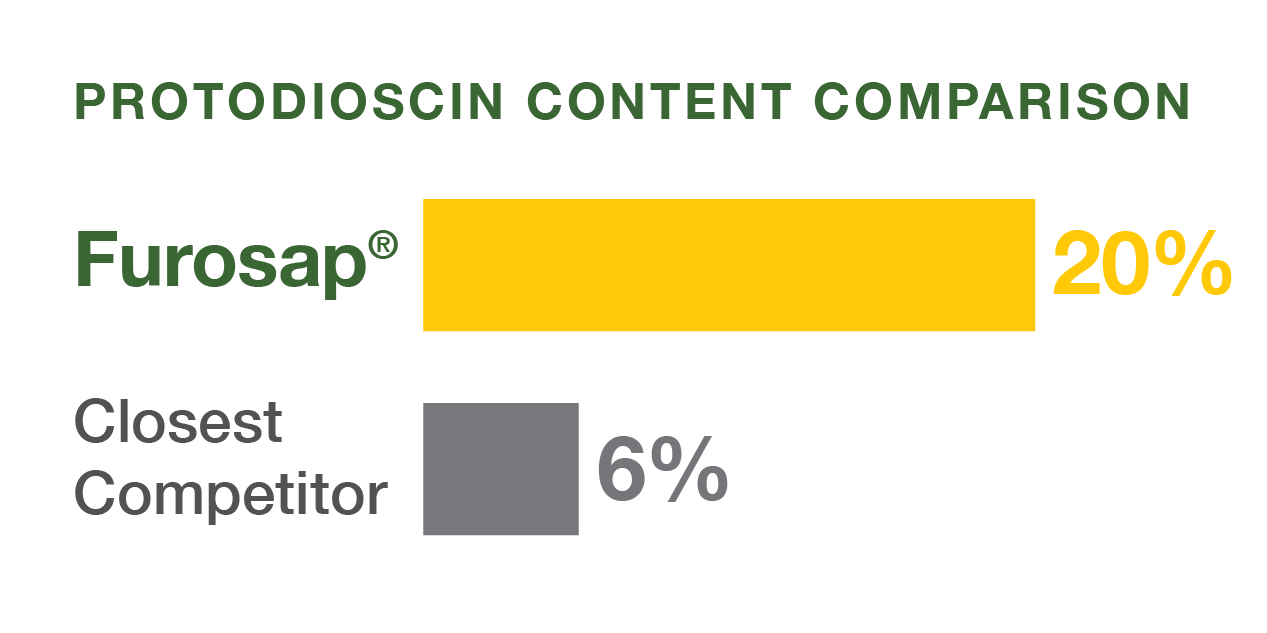
Furosap® is standardized to 20% protodioscin, providing over 3X the active protodioscin content of the closest competing ingredient source.*
Cepham’s patented fenugreek extraction process (U.S. Patent #8,217,165) is designed to support men’s health and wellness outcomes through clinically relevant standardization and optimal potency and consistency.*

Promotes Healthy Sexual Function & Libido*

Maintains
Overall Energy & Vitality*

Promotes
Healthy Oxygen Delivery*

Supports Healthy Muscle Development*

At Cepham and Chereso (Chemical Resources®), we are dedicated to uncovering natural solutions for optimal health for men and women.
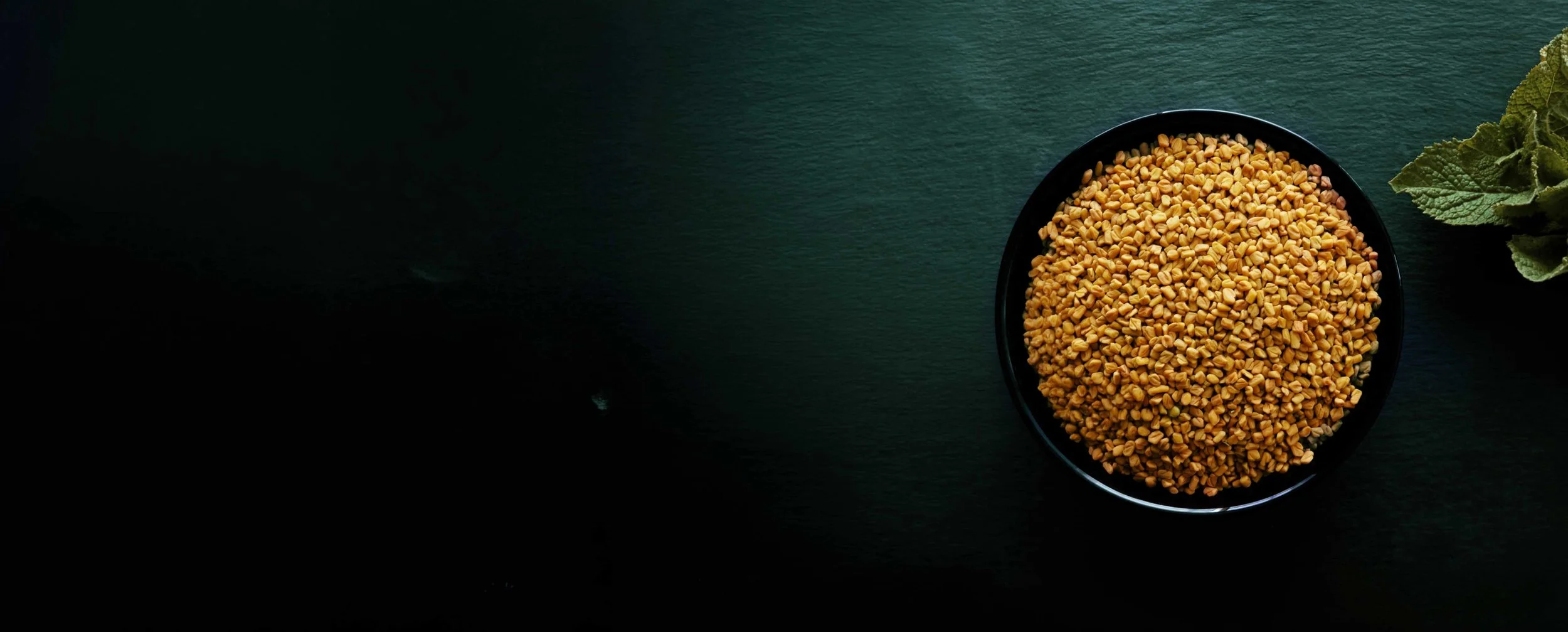
From Fenugreek to Furosap®
Protodioscin is the bioactive saponin primarily responsible for the health-supporting properties of fenugreek (Trigonella foenum-graecum).
Cepham’s patented Furosap® process standardizes protodioscin to 20% for consistent potency, performance, and reliability.*



Unlike other sources that tend to be “wild-crafted” and result in unpredictable ingredient quality, our fenugreek is grown on pesticide-free farms with strict monitoring throughout growing, harvesting, and processing.
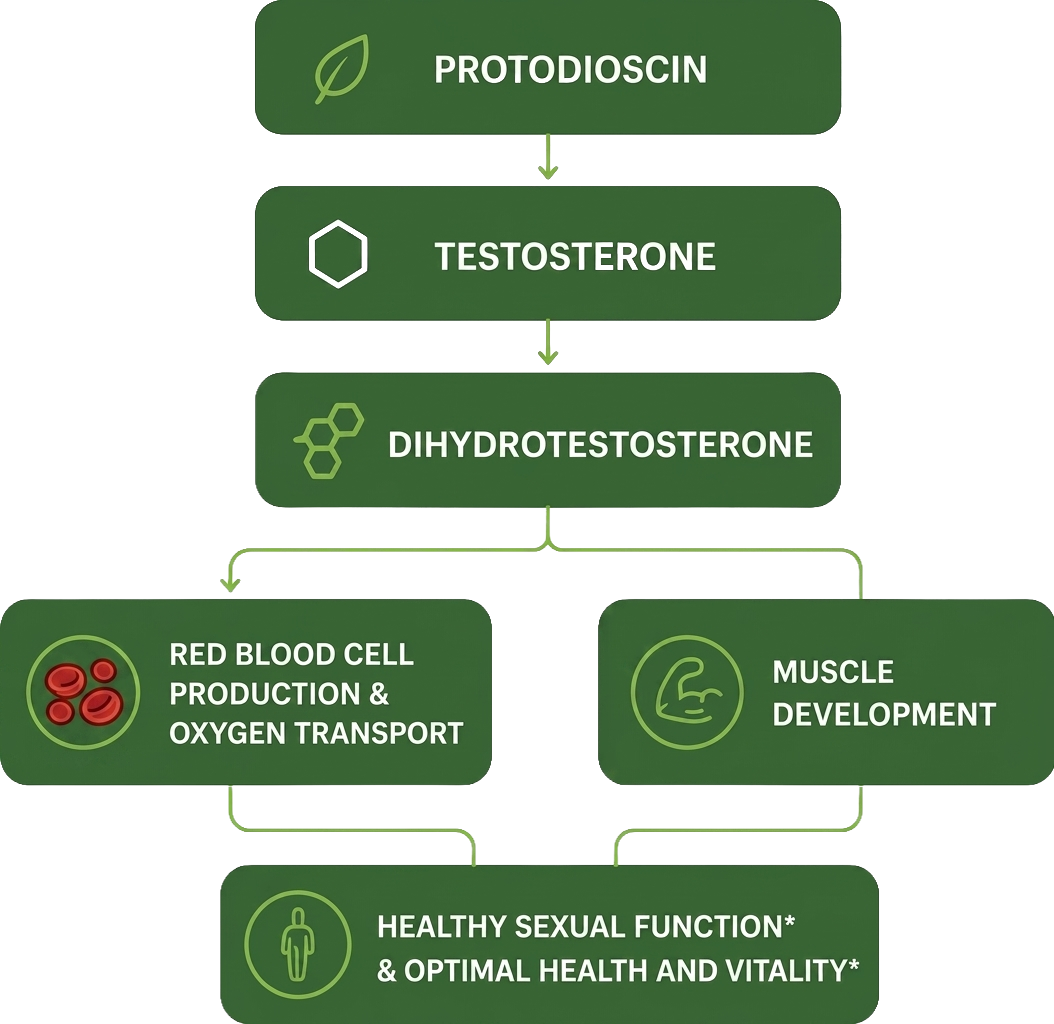
Protodioscin also promotes healthy red blood cell production, which ultimately supports healthy oxygen delivery throughout the body.*
This combination of hormonal and circulatory effects results in support for both healthy sexual function and optimal athletic endurance.*
Furosap® Published Clinical Studies
Clinical Evidence
Cepham’s Furosap® has been the subject of two published clinical studies in healthy male volunteers. Both studies are available on PubMed and support Furosap’s role in men’s health.*
†Maheshwari et al., Int J Med Sci. 2017;14(1):58-66.
46%
improvement in free testosterone levels in 90% of participants†
85%
of participants demonstrated improved sperm count†
Int J Med Sci. 2017
Jan 10;14(1):58-66.
J Am Nutr Assoc. 2023
Jan;42(1):27-35.